Top 10 LPG Storage Tank Solutions for Safe and Efficient Storage?
In the growing industry of LPG Storage Tanks, safety and efficiency are paramount. According to Dr. Emily Carter, a leading expert in gas storage solutions, “A robust LPG Storage Tank design not only protects the environment but also enhances operational efficiency.” This statement encapsulates the critical need for innovation in storage tank solutions.
Efficient storage of liquefied petroleum gas (LPG) can significantly affect both safety and costs. Each solution comes with unique benefits and challenges. Proper engineering ensures tanks can hold varying pressures and temperatures. Yet, there are still areas requiring improvement. Many facilities still struggle with outdated technology. The industry must confront these gaps.
Exploring the top ten LPG Storage Tank solutions reveals advancements geared towards minimizing risks. However, the path to optimal safety is not without obstacles. Regular inspections and adherence to regulations are essential. Investing in advanced materials and technologies can also enhance performance. As the industry evolves, so too does the responsibility to protect our communities.
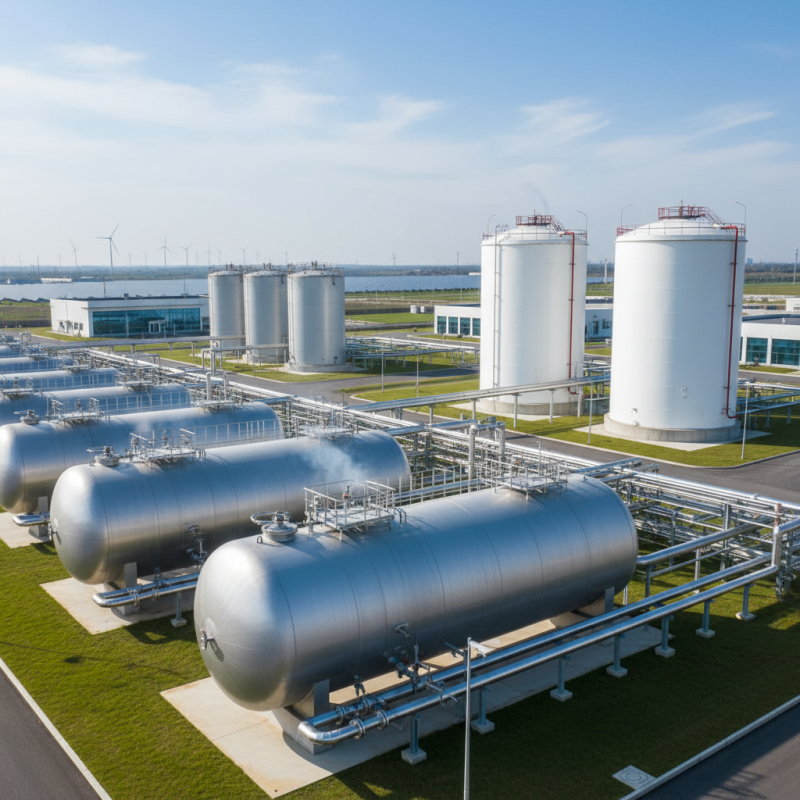
Overview of LPG Storage Tanks and Their Importance
LPG storage tanks play a critical role in the energy sector. They provide a safe and reliable means to store liquefied petroleum gas. These tanks must meet strict safety standards. Regular inspections are essential to ensure integrity. Many facilities overlook minor issues, which can lead to major problems.
Understanding the design of LPG tanks is crucial. They are typically constructed from steel or aluminum, ensuring durability. Insulation is also important in maintaining temperature. Some tanks have advanced safety features, such as pressure relief valves. However, not all tanks are equipped with these.
Maintenance practices need attention. Many operators fail to follow their maintenance schedules. This can cause leaks or safety hazards. Regular training for staff is necessary to ensure proper handling. Neglecting these aspects may save time now but can lead to costly repairs later.
Key Factors to Consider in LPG Storage Tank Design and Safety
When designing LPG storage tanks, safety is paramount. Proper construction materials are essential. Steel is commonly used for its strength and durability. However, it can corrode over time. Regular inspections are necessary to address any weaknesses. Using coatings can help prevent rust and extend the tank’s lifespan.
Another critical factor is the tank's location. It should be placed away from residential areas. This reduces risks in case of leaks or explosions. Adequate ventilation is also vital. Poor ventilation can lead to the buildup of dangerous gases. Accessibility for emergency services is another consideration.
Monitoring systems are key to maintaining safe operations. Installing alarms can alert staff to leaks or pressure changes. However, it's important to remember that technology is not foolproof. Human error is always a risk. Training for employees is essential to ensure they understand safety protocols. Regular drills and reviews of procedures can reinforce this knowledge and keep everyone prepared.
Types of LPG Storage Tanks for Different Needs
LPG storage tanks come in various types, each designed for specific needs. There are three main types: above-ground, underground, and mobile tanks. Above-ground tanks are popular for their easy accessibility. They often hold large volumes, typically ranging from 5,000 to 30,000 gallons. However, they can pose risks if not maintained properly.
Underground tanks, on the other hand, are less visible and often preferred for urban locations. They help reduce land use and minimize aesthetic concerns. According to industry reports, over 60% of LPG storage in metropolitan areas uses underground solutions due to their safety features. Still, installation can be costly, and regular inspections are crucial to avoid leaks.
Mobile LPG tanks are versatile for temporary storage needs. They are typically smaller, with capacities ranging from 500 to 3,000 gallons. This flexibility allows industries to adapt quickly. However, transporting these tanks can create logistical challenges. Careful planning is essential to ensure safety during movement.
The choice of tank depends on several factors, including location, volume, and purpose. Each type has its advantages and drawbacks. Inadequate assessment can lead to inefficient storage and potential hazards. It's vital to evaluate specific requirements thoroughly.
Best Practices for Maintaining LPG Storage Tanks
Maintaining LPG storage tanks is crucial for safety and efficiency. Regular inspections help catch potential issues early. Tank corrosion and leaks can lead to serious hazards.
Tip: Conduct monthly visual inspections. Look for rust, dents, or leaks. Address any concerns immediately. A small leak can become a big problem.
Proper ventilation is essential. Ensure that storage areas are well-ventilated, reducing the risk of gas accumulation. Gas monitoring systems should be in place to detect leaks quickly.
Tip: Test your gas detection systems weekly. This ensures they function correctly. Delays in response can lead to dangerous situations.
Routine maintenance of valves and fittings is vital. They must be regularly cleaned and tested for proper function. Neglecting this can cause unforeseen failures.
Tip: Keep a maintenance log. Document every check and repair. It helps track the condition of your tanks over time. Reflecting on past issues can guide future practices.
Innovations in LPG Storage Tank Technology and Sustainability
Innovations in LPG storage tank technology continue to emerge, focusing on safety and sustainability. The use of advanced materials, such as high-strength steel and composite materials, enhances durability. These materials help resist wear and corrosion, ensuring a longer lifespan. Improved insulation techniques are also being used. They minimize heat transfer and reduce energy loss during storage.
In addition, smart technologies now play a crucial role in monitoring tank conditions. Sensors can track temperature and pressure levels in real time, reducing risks. If there is an anomaly, alerts are sent immediately. Yet, challenges remain. Maintenance can be overlooked. Regular checks are vital to avoid hidden issues. Some operators may underestimate repair needs, risking safety.
Sustainability is another focus area. Strategies, such as using renewable energy for operation, are becoming more common. However, ventilation systems still need improvements for better air quality. Balancing efficiency with sustainable practices is an ongoing task. There are no perfect solutions, yet progress is being made. Each step forward requires careful evaluation and commitment.
Top 10 LPG Storage Tank Solutions for Safe and Efficient Storage
| Solution Name | Capacity (Liters) | Material | Safety Features | Sustainability Innovations |
| Vertical Tank | 5,000 | Carbon Steel | Leak Detection System | Recyclable Material |
| Horizontal Tank | 10,000 | Stainless Steel | Pressure Relief Valve | Insulation Layer |
| Double-Wall Tank | 8,000 | Fiberglass | Secondary Containment | Solar-Powered Monitoring |
| Modular Tank | 3,000 | Aluminum | Automated Shutdown System | Eco-Friendly Coatings |
| Cryogenic Tank | 1,500 | Low Temp Steel | Thermal Insulation | Reduced Emissions Technology |
| Vertical LPG Sphere | 12,000 | Steel | Fire Protection Systems | Energy Recovery Systems |
| Above Ground Tank | 4,500 | Polyethylene | Built-in Spill Containment | Low Carbon Footprint |
| Portable Tank | 2,000 | Composite Materials | Impact Resistance | Recycled Materials |
| Refueling Station Tank | 15,000 | Steel | Automatic Shut-off | Smart Grid Integration |
| LPG Bullet Tank | 6,500 | Carbon Steel | Advanced Leak Sensors | Biodegradable Materials |