Top 10 Heavy Duty Slurry Pump Models for Tough Applications?
heavy duty slurry pumps are essential in industries like mining and construction. These pumps handle abrasive and viscous materials. According to recent industry reports, the global slurry pump market is projected to reach $3.85 billion by 2025. This reflects a growing demand for reliable solutions in tough applications.
The right heavy duty slurry pump can mean the difference between efficiency and costly downtime. For instance, improper pump selection can lead to wear and tear, significantly raising operational costs. A survey of companies revealed that 40% faced challenges due to inadequate pumping solutions. Clearly, knowing the best models available is critical.
Various models cater to specific needs and conditions. Some excel in high-capacity situations, while others are designed for extreme pH environments. Understanding these differences is vital. As industries evolve, adapting to new technologies and materials will be crucial. Companies must reflect on their choices to ensure optimal performance and longevity.
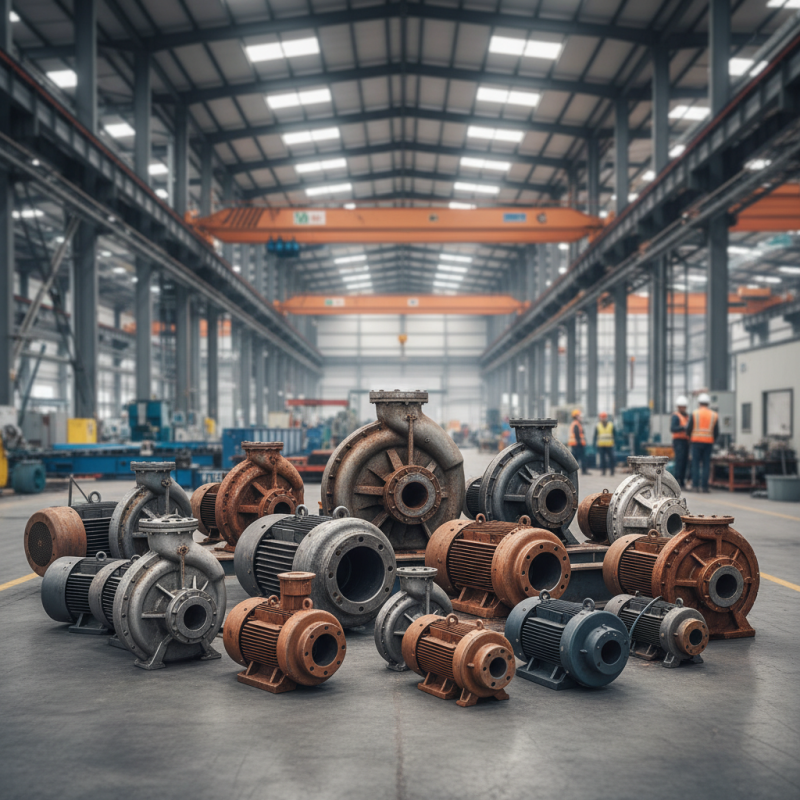
Overview of Heavy Duty Slurry Pumps and Their Applications
Heavy duty slurry pumps play a critical role in various industries. They are designed to transport abrasive and thick materials. These pumps can handle slurries containing solids, which often lead to wear and tear. Studies suggest that over 70% of pump failures are due to abrasive slurry damage.
In mining and construction, the reliability of slurry pumps is vital. For example, coal and mineral processing often use these pumps to transfer materials. According to a recent industry report, companies face major costs linked to downtime, often exceeding $1 million annually. This highlights the importance of selecting the right model that can withstand harsh conditions.
Tips for maintenance are essential. Regular inspections can prevent unexpected failures. Cleaning the pump components helps avoid blockages. It's also helpful to monitor the pump's performance metrics. Companies can reflect on how these practices could improve operational efficiency. Implementing these steps may seem straightforward but can lead to significant savings in the long run.
Top 10 Heavy Duty Slurry Pump Models for Tough Applications
| Model | Max Flow Rate (m³/h) | Max Head (m) | Motor Power (kW) | Weight (kg) | Applications |
| Model A | 150 | 30 | 75 | 200 | Mining, Dredging |
| Model B | 200 | 35 | 90 | 250 | Construction, Sludge Handling |
| Model C | 180 | 28 | 80 | 220 | Chemical Processing |
| Model D | 240 | 40 | 110 | 300 | Wastewater Treatment |
| Model E | 220 | 38 | 100 | 280 | Farming, Irrigation |
| Model F | 140 | 32 | 70 | 190 | Pulp & Paper |
| Model G | 160 | 36 | 85 | 240 | Mining, Aggregate |
| Model H | 200 | 34 | 95 | 260 | Food Processing |
| Model I | 190 | 33 | 80 | 210 | Chemical Processing |
| Model J | 210 | 39 | 105 | 300 | Mining, Waste Management |
Key Features to Consider When Selecting a Slurry Pump
When selecting a heavy-duty slurry pump, several key features demand careful consideration. The pump's ability to withstand abrasive materials is critical. Many applications involve solids up to 70% by volume. A pump designed to handle such conditions is vital for longevity.
Another essential feature is the efficiency of the pump. According to industry reports, efficiency impacts energy consumption significantly. Low-efficiency pumps can increase operational costs by up to 30%. This aspect should not be overlooked. Proper hydraulic design, including impeller type and channel construction, also influences performance.
Durability is also of utmost importance. Many pumps are subjected to harsh conditions. Failure in such environments often leads to costly downtime. Selecting pumps with corrosion-resistant materials can mitigate these issues. Regular maintenance is necessary, but some designs are more forgiving than others. A balance between initial costs and long-term reliability is paramount.
Top 10 Heavy Duty Slurry Pump Models: Specifications and Performance
Heavy-duty slurry pumps are crucial for handling abrasive and viscous materials in challenging environments. Various models cater to different specifications and performance needs. According to the latest industry report from Market Research Future, the slurry pump market is projected to grow by 5.8% annually. This surge is driven by rising demand across sectors such as mining and construction.
Performance metrics are critical when selecting a pump. For instance, certain models have flow rates exceeding 1,500 GPM. They can manage solids up to 6 inches in diameter. Efficiency is vital. Reports indicate that pumps with high efficiency often incur lower operating costs. However, wear and tear may escalate maintenance expenses over time. Regular inspection and early replacement of worn parts can mitigate these costs.
Additionally, some pumps may struggle with extreme temperatures or corrosive materials. The compatibility of materials with the conveyed liquids is essential. Internal linings can affect pump longevity. Choosing the right material can maximize efficiency but requires careful consideration. Failure to do so might lead to a rapid decline in performance. Hence, understanding the operational conditions can make or break the effectiveness of slurry pumps.
Comparative Analysis of Pump Efficiency and Durability
In industries handling aggressive materials, slurry pumps are vital. Their efficiency directly impacts operational success. A recent industry report highlights that pumps can lose 15-30% of efficiency due to wear and improper maintenance. This is a critical concern for operations.
When analyzing heavy-duty slurry pumps, key factors include flow rate and durability. High-performing models often feature robust wear-resistant materials. These materials can extend the pump life significantly. Some pumps last longer than 10,000 hours under tough conditions. However, not all pumps meet this standard. Some may struggle to maintain efficiency over time.
It's essential to acknowledge the challenges regarding maintenance. Regular inspections can be tedious but are necessary. Neglecting routine checks often leads to increased downtime. Surprisingly, 20% of pump failures relate to inadequate service. This data points to a need for better preventive strategies. Users must remain vigilant to ensure pump longevity and efficiency.
Maintenance Tips for Maximizing Slurry Pump Longevity
Proper maintenance of slurry pumps is vital for their longevity. Regular inspections should be part of your routine. Check seals and bearings frequently. Signs of wear can lead to significant issues if ignored. A small leak can evolve into a major breakdown. Ensure that all components are clean. Contaminants can quickly compromise pump performance.
Keep an eye on the pump's pressure and flow rates. If these vary drastically, it might signal a problem. Tighten any loose fittings. Vibration might indicate misalignment. This is a common issue that can cause severe damage. Avoid operating the pump at extreme conditions. It can wear out parts faster than expected.
Don't forget about lubrication. Consistent and adequate lubrication is essential. Too much or too little can create problems. Replace worn components without delay. Postponing repairs often leads to bigger failures. Document all maintenance activities. This can help in identifying patterns. Patterns can guide future operational improvements.
Top 10 Heavy Duty Slurry Pump Models for Tough Applications
This chart illustrates the performance metrics of the top 10 heavy duty slurry pump models based on flow rate (m³/h) and efficiency (%). The data helps in understanding the best options available for tough slurry applications.