Top 10 Corrugated Iron Roofing Sheet Making Machines Explained?
The demand for corrugated iron roofing sheets is on the rise. According to a recent industry research report, the global market for these sheets is expected to reach $12 billion by 2025. This growth is driven by the construction industry’s need for affordable and durable roofing materials. corrugated iron roofing sheet making machines play a crucial role in meeting this demand.
Dr. James Thompson, a renowned expert in the roofing industry, emphasizes the importance of investing in advanced manufacturing technology. He states, "Efficiency in production can significantly enhance the quality and affordability of roofing sheets." His insights underline the need for businesses to adopt innovative corrugated iron roofing sheet making machines to remain competitive in the market.
However, challenges persist. Not all manufacturers prioritize quality, and inconsistencies in machine performance can lead to subpar products. The right machine not only boosts production but also ensures longevity and robustness. Understanding the intricacies of these machines is essential for making informed decisions in this evolving industry.
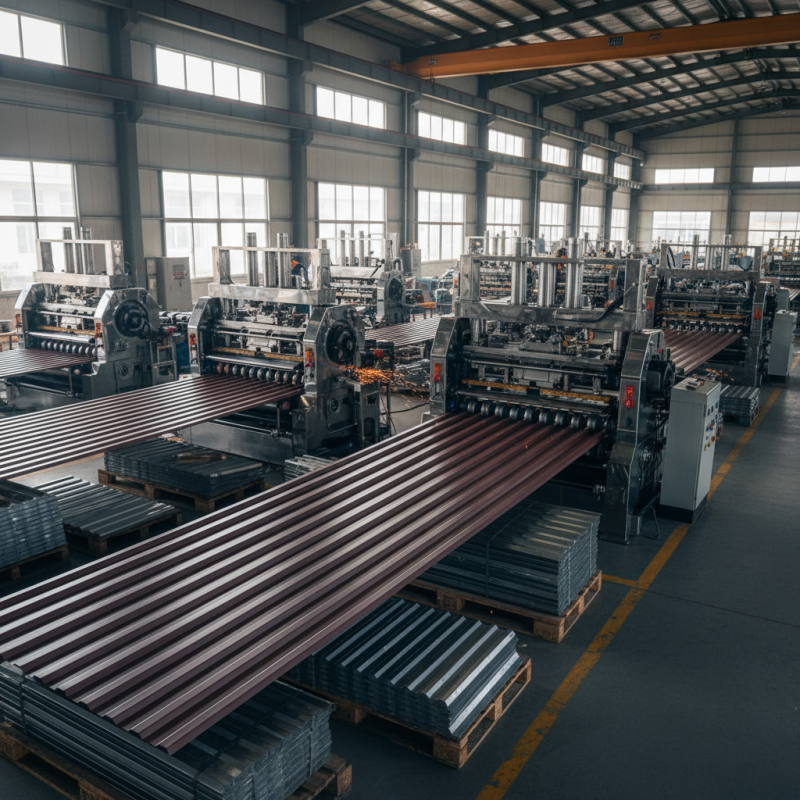
Overview of Corrugated Iron Roofing Sheets
Corrugated iron roofing sheets are increasingly popular in construction. They are lightweight and durable. These sheets are made from galvanized steel, providing excellent resistance to corrosion. In recent years, the global market for corrugated metal roofing has been growing, with the market size expected to reach $20 billion by 2025, according to industry reports.
The manufacturing process of these roofing sheets involves using specialized machines that shape metal sheets into wavy forms. This design improves structural integrity. However, the energy consumption of these machines can be significant. Reports suggest that improving energy efficiency in production can lead to reduced costs and environmental benefits.
Despite these advantages, quality control remains an essential factor. Manufacturers face challenges in maintaining consistency in thickness and coating. Many companies still rely on outdated technologies, leading to waste. To stay competitive, they must invest in better equipment. Addressing these issues can enhance the overall quality of corrugated iron roofing sheets.
Types of Machines Used in Manufacturing Corrugated Iron Sheets
When it comes to manufacturing corrugated iron sheets, several types of machines play a crucial role. The primary machine is the roll forming machine. This machine shapes flat metal sheets into corrugated profiles. It's essential for achieving consistent quality.
Another important machine is the cutting machine. This device trims the sheets to the desired length. Precise cutting is necessary for proper installation and aesthetic appearance.
A hydraulic press is also used in the process. This machine forms specific designs, adding strength and durability to the sheets. The press can create various patterns, making it versatile for different applications.
Tips: Always ensure proper alignment when operating these machines. Misalignment can lead to waste and increased costs. Regular maintenance is crucial. It helps in avoiding unexpected breakdowns.
Implementing an effective quality control system is vital. Inspect sheets regularly during the production process. This can help catch errors early, saving time and resources. Even the best machines can produce faults if not monitored closely.
Key Features to Consider When Choosing a Roofing Sheet Machine
When looking for a roofing sheet machine, key features are essential. The machine's capacity ranges significantly. Some work on small scales, while others handle large volumes. Pay attention to production speed. Faster machines can meet higher demand but may come at a cost.
Durability and build quality matter too. A well-built machine can withstand harsh conditions. Look for materials that resist corrosion. Machines with good thermal and mechanical resistance are ideal. It's crucial to consider the size of your workspace. Some machines require more room than others.
Finally, user-friendliness is important. A straightforward interface improves efficiency. Consider whether the machine has adjustable settings for various sheet sizes. Operators should feel comfortable using it. Training time is a factor. If training is lengthy, it may slow down production initially. Reflect on these aspects to ensure you choose wisely.
Top 10 Corrugated Iron Roofing Sheet Making Machines Explained
| Machine Model | Capacity (Sheets/Hour) | Material Thickness (mm) | Power Consumption (kW) | Weight (kg) | Price Range (USD) |
| Model A1 | 300 | 0.3 - 0.5 | 5.5 | 800 | $15,000 - $20,000 |
| Model B2 | 500 | 0.4 - 0.6 | 7.5 | 950 | $25,000 - $30,000 |
| Model C3 | 400 | 0.5 - 0.7 | 6.0 | 850 | $20,000 - $25,000 |
| Model D4 | 450 | 0.3 - 0.5 | 7.0 | 800 | $22,000 - $27,000 |
| Model E5 | 600 | 0.4 - 0.8 | 8.5 | 1000 | $30,000 - $35,000 |
| Model F6 | 350 | 0.2 - 0.5 | 5.0 | 780 | $12,000 - $18,000 |
| Model G7 | 520 | 0.3 - 0.6 | 7.2 | 900 | $28,000 - $33,000 |
| Model H8 | 450 | 0.4 - 0.7 | 8.0 | 860 | $24,000 - $29,000 |
| Model I9 | 700 | 0.5 - 0.9 | 9.0 | 1200 | $35,000 - $40,000 |
| Model J10 | 300 | 0.3 - 0.6 | 6.5 | 700 | $10,000 - $15,000 |
Step-by-Step Process of Making Corrugated Iron Roofing Sheets
Corrugated iron roofing sheets are popular in construction. Making them involves a detailed process. The first step begins with sourcing raw materials. Iron sheets are preferred due to their strength and durability. These sheets are often coated for added protection against rust.
Next, the sheets undergo a shaping process. Machines roll the sheets to create the characteristic corrugated pattern. This is crucial for strength and drainage. The type of machinery used can vary, so the results may differ. Manufacturers often adjust settings for optimal production.
As with any process, challenges can arise. Sometimes sheets may not be uniform, leading to wastage. Workers must monitor the production closely. This ensures that quality standards are met. Even small mistakes can have significant impacts. Regular maintenance of machines is essential to keep everything running smoothly.
Maintaining and Troubleshooting Your Roofing Sheet Making Machine
Maintaining a roofing sheet making machine is crucial for optimal performance. Regular checks on the machinery can help prevent unexpected breakdowns. Keep an eye on the rollers; they can wear out over time. Look for signs of uneven wear or noise that indicates a problem. Lubrication is essential. Regularly grease the moving parts to reduce friction. This simple step can extend the machine's life.
Troubleshooting issues requires keen observation. If the sheets are not cutting properly, it may be due to dull blades. Inspect the blades and replace them when necessary. Sometimes, the alignment of the machine can be off, causing issues with the finished product. Adjusting the settings may require a bit of trial and error.
While operating the machine, listen for unusual sounds. They often indicate bigger problems. Ensure that everyone operating the machine is trained. Inadequate training can lead to mistakes that may damage the equipment. Regular training sessions can help minimize issues, but remember, mistakes will happen. Reflecting on these moments can lead to better strategies in the future.
Production Capacity of Top 10 Corrugated Iron Roofing Sheet Making Machines
This bar chart illustrates the production capacity of the top 10 corrugated iron roofing sheet making machines. Each machine has a unique capacity measured in sheets produced per day, providing insight into their efficiency and output capabilities.