Essential Tips for Using Synthetic Mica Powder Effectively?
synthetic mica powder has gained significant traction in various industries. This material is renowned for its shimmering effect and high durability. According to a recent market report by Grand View Research, the global mica market is projected to reach $2.5 billion by 2025, with synthetic variants gaining popularity due to their superior properties.
The cosmetic industry particularly benefits from synthetic mica powder, as it is non-toxic and provides a consistent finish. However, challenges remain. Not all synthetic mica powders are created equal, and some may not perform as expected. Users must analyze their sources and ensure they select high-quality products. It’s essential to experiment and find the right formulations for specific applications.
Additionally, the sustainable aspect of synthetic mica powder is worth noting. As more consumers seek eco-friendly options, brands must adapt. Yet, not every synthetic option aligns perfectly with sustainability goals. Continuous reflection on choices and formulations is important to ensure efficacy and ethics in production. Embracing these challenges can lead to more impactful and responsible use of synthetic mica powder.
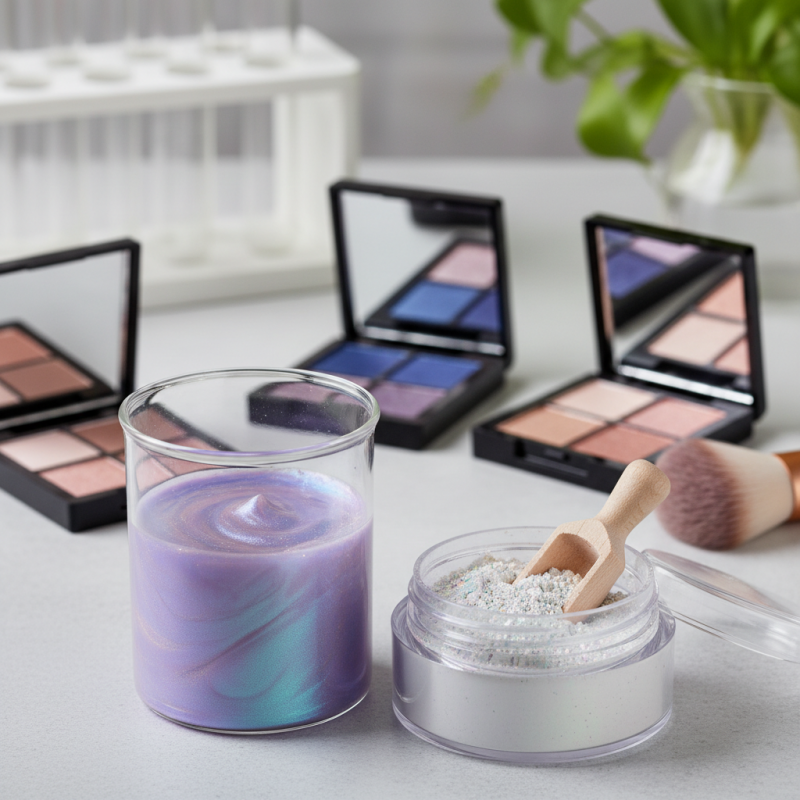
Importance of Choosing High-Quality Synthetic Mica Powder
When choosing synthetic mica powder, quality is paramount. High-quality synthetic mica powder offers consistent color and texture. It creates a luminous finish in cosmetics and crafts. Poor-quality options may lead to uneven application and dull results. You'll notice the difference in the final product.
Synthetic mica is prized for its light-reflective properties. Using higher grades improves aesthetics significantly. However, not all products labeled as synthetic mica are equal. Some may contain impurities that affect color payoff. It's crucial to research and compare ingredients. When in doubt, ask for samples before making large purchases.
Also, consider the sourcing of synthetic mica powder. Ethically sourced materials can enhance your product’s appeal. The wrong choice might impact customer perception. Balance quality with cost is necessary in this market. Reflect on the long-term effects of your choices. Make informed decisions to elevate your craft and cosmetic offerings.
Understanding the Various Applications of Synthetic Mica Powder
Synthetic mica powder is a versatile ingredient used in many industries. Its shimmering appearance makes it popular in cosmetics. It enhances products like eyeshadows and highlighters, giving them a radiant finish. Makeup formulations can greatly benefit from synthetic mica, providing a silky texture and smooth application.
In addition to beauty products, synthetic mica finds its place in coatings and plastics. Its lightweight structure makes it an ideal filler. This can improve the performance of paints and coatings. When considering these applications, it is essential to focus on particle size. Larger particles provide a more dramatic shimmer, while finer particles deliver a subtler shine. Often, the balance between appearance and performance requires careful thought.
While synthetic mica offers many advantages, it's important to experiment. Not every formulation requires a high shine or a heavy pigment load. Sometimes, less is more. Finding the right mix often takes trial and error. Balancing aesthetics with functionality can be a challenging yet rewarding process.
Best Practices for Mixing Synthetic Mica Powder with Other Ingredients
When mixing synthetic mica powder with other ingredients, the order of mixing matters. Start by blending the powders together. Use a dry mixing method for better consistency. It's essential to avoid clumping. Sometimes, the mica may not disperse evenly, leading to streaks in your final product. If this happens, consider adjusting your mixing technique.
Incorporation of liquids requires attention. Add liquids slowly to prevent clumps. If too much liquid is added suddenly, the mica powder may sink to the bottom. This can be frustrating when you’re aiming for an even finish. Additionally, always consider the particle size of your mica powder. Finer particles mix better with liquids, while larger particles may settle quickly.
Testing various ratios is key. You might start with a 2:1 ratio of mica to base. However, this may not work for every project. Adjusting the proportions based on your results is critical. Each mixture presents unique challenges. Sometimes, it takes several attempts to achieve the desired look. Embrace this trial and error process.
Techniques to Achieve Desired Color and Finish with Mica Powder
When working with synthetic mica powder, achieving the right color and finish can be challenging. Start by choosing the right base. A clear gel or a milky base might yield different results. Experimentation is key. Mixing small amounts of mica powder with your base can lead to unexpected outcomes. Sometimes, the color may appear different when applied than in the container. This is normal and requires adjustment.
Another important technique is layering. Apply thin layers of powder to build depth. This method allows for better control over the final look. You might need multiple applications. As you layer, pay attention to how the powder interacts with the light. Some colors might look vibrant initially, only to appear duller after drying. Take notes on each attempt. This can help refine your process and avoid repeating mistakes.
Don't overlook the influence of application tools. Brushes and sponges can create varying finishes. A dry brush may provide a softer touch, while a damp sponge can enhance blending. Explore these options; they can lead to unique results. Remember, every project is an opportunity to learn. Embrace imperfections as part of the creative process. Each experience contributes to mastering synthetic mica powder.
Usage of Synthetic Mica Powder: Techniques and Trends
Safety Precautions When Handling Synthetic Mica Powder
When handling synthetic mica powder, safety is crucial. This material can be delicate and may create fine dust. Inhalation can lead to respiratory issues. According to a report by the Cosmetic Ingredient Review, synthetic mica is generally safe for use in cosmetics, but precautions are necessary.
Always wear protective equipment. Dust masks and gloves can shield your skin and lungs. Work in a well-ventilated area. This reduces inhalation risks. Look out for signs of irritation. If any symptoms arise, seek fresh air immediately.
One tip is to minimize dust generation. Use wet methods when mixing synthetic mica. This technique reduces airborne particles. Consider using a damp cloth to clean surfaces. This not only makes cleanup easier but also keeps the workspace safe. Remember, safety should never be an afterthought. Regular training on handling powders can further enhance safety awareness.
Lastly, stay informed about developments in safety guidelines. Regular updates emerge based on new research. For instance, recent studies highlight the importance of monitoring occupational exposure limits. Always reflect on your safety practices. Even minor adjustments can lead to significant improvements.
Essential Tips for Using Synthetic Mica Powder Effectively? - Safety Precautions When Handling Synthetic Mica Powder
| Tip Category | Tip Description | Safety Precautions |
| Mixing Techniques | Ensure even distribution by mixing gradually and thoroughly. | Wear a dust mask to avoid inhalation of particles. |
| Storage Conditions | Store in a cool, dry place away from direct sunlight. | Keep in a sealed container to prevent moisture absorption. |
| Usage Rate | Use an appropriate percentage based on product formulation. | Avoid excessive exposure; use gloves when handling. |
| Compatibility Testing | Test with other ingredients to ensure stability. | Conduct tests in a well-ventilated area to minimize inhalation risk. |
| Coloring | Blend with pigments for desired shades while maintaining shimmer. | Use protective eyewear to prevent irritation from fine particles. |