How to Choose the Right ABA Blown Film Machine for Your Needs?
In the fast-evolving world of packaging, selecting the right aba blown film machine is crucial. According to a recent report by the Packaging Machinery Manufacturers Institute (PMMI), the global demand for blown film machines is expected to grow by 5% annually. Choosing the right equipment not only enhances production efficiency, but also influences the quality of end products. Industry expert Dr. John Smith, a renowned figure in plastic manufacturing, emphasizes, "Investing in the right ABA blown film machine can dramatically influence a company's overall competitiveness."
However, with numerous models available, the decision-making process can be overwhelming. Each machine offers various features and capabilities, which can lead to confusion. For instance, factors such as material compatibility and output capacity must be considered. Data from the International Plastics Association indicates that 60% of companies regret their equipment choice due to inadequate research. This highlights the importance of careful assessment before making a purchase.
Selecting an aba blown film machine should involve thorough evaluation and understanding of specific needs. Ensuring alignment between production goals and machine capabilities is essential. The right choice can lead to significant benefits, yet the wrong one can result in lost time and increased costs. Reflecting on these elements fosters a more informed decision-making process within the industry.
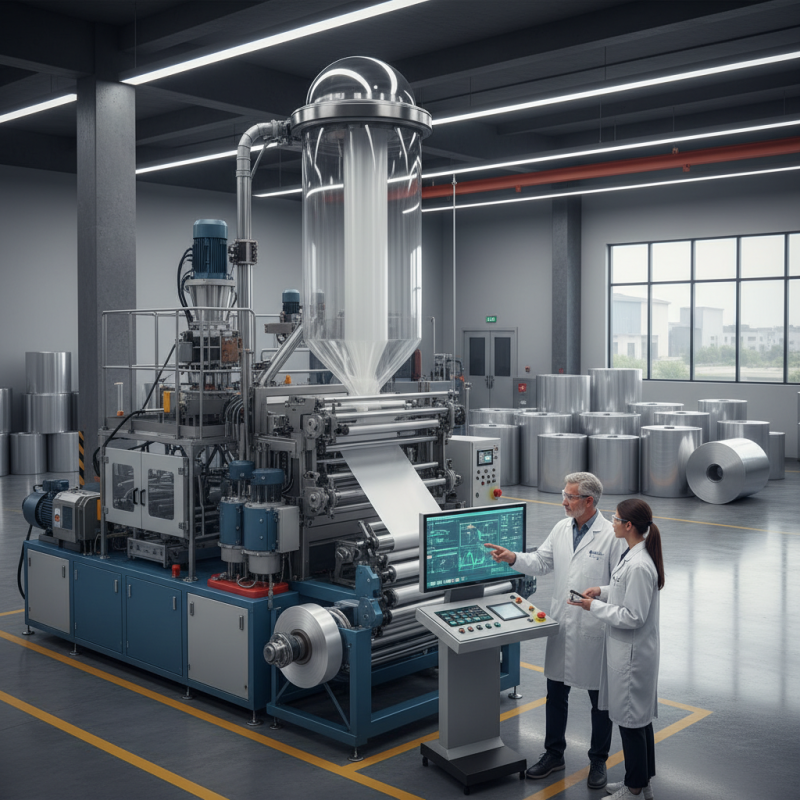
Understanding ABA Blown Film Machines and Their Applications
ABA blown film machines play a significant role in the packaging industry. They mainly produce films with three layers: a sealable inner layer, a durable middle layer, and an outer layer that provides protection. These films are widely used for packaging food products, agricultural goods, and various consumer products. The three-layer structure makes the films versatile and superior in strength and flexibility.
When selecting the right ABA blown film machine, it's crucial to consider specific applications. Different types of films require varying thicknesses and materials. Some applications may opt for biodegradable options, while others need puncture-resistant properties. Understanding these requirements helps streamline production processes.
However, choosing the right machine isn't always easy. Some buyers may overlook the importance of local support and maintenance options. Others might focus too heavily on price without assessing long-term value. These oversights can lead to production delays or quality issues. It's necessary to weigh all these factors carefully before making a decision.
ABA Blown Film Machine Performance Comparison
This chart displays the output capacity (in kg/h) of various ABA blown film machines. It helps in understanding the performance differences among different models, aiding in making an informed choice based on production needs.
Key Factors to Consider When Selecting an ABA Blown Film Machine
Choosing the right ABA blown film machine requires careful consideration of various factors. The machine's output capacity is critical. Reports indicate that the market demands machines with capacities ranging from 50 kg/h to 600 kg/h. Evaluating your production needs will help in making the right choice. Underestimating capacity can lead to production delays.
Film thickness and quality are equally important. High-quality films typically have better seal strength and clarity. The ideal thickness can vary based on material used and end application. A common thickness for packaging films ranges from 0.5 to 300 microns. Choosing a machine that can handle these variations is essential. Not all machines excel in producing both thin and thick films.
Another factor is the ease of operation. Machines equipped with user-friendly control systems allow for quicker adjustments. In complex setups, potential downtime can be costly. Regular maintenance needs should not be overlooked either. Machines require proper upkeep to ensure consistent performance over time. Balancing these factors helps to avoid errors, ultimately affecting productivity.
Assessing Production Capacity and Performance Requirements
When selecting an ABA blown film machine, assessing your production capacity and performance needs is essential. Consider how many tons of film you need each month. A report by the Plastics Industry Association states that about 60% of manufacturers prioritize capacity in their purchasing decisions. Higher capacity machines can produce more efficiently, but they may also come with higher operational costs.
Tips: Evaluate your expected output before making a purchase. Understand the size of your production runs. A mismatch in capacity can lead to significant losses. Machines with over 1000 kg output may seem ideal, but you must verify actual demand.
Performance is another critical factor. The machine should meet your film thickness and quality requirements. A study from the Flexible Packaging Association highlights that 40% of users face quality issues due to inadequate machine specifications. Improper settings might lead to defects.
Tips: Always test a machine before buying. Understand its limitations. Invest time in analyzing potential performance discrepancies. Remember, just because a machine has high specs doesn't mean it fits best with your needs. Regular monitoring of output quality can help avoid costly mistakes.
How to Choose the Right ABA Blown Film Machine for Your Needs? - Assessing Production Capacity and Performance Requirements
| Machine Model | Maximum Film Width (mm) | Production Capacity (kg/h) | Layer Configuration | Power Requirement (kW) | Thickness Range (μm) | Price Range (USD) |
| Model A | 1200 | 150 | 3 Layers | 45 | 20-200 | 50,000 - 60,000 |
| Model B | 1500 | 200 | 5 Layers | 60 | 30-300 | 70,000 - 80,000 |
| Model C | 1800 | 250 | 7 Layers | 75 | 50-400 | 90,000 - 100,000 |
| Model D | 2000 | 300 | 3 Layers | 85 | 40-350 | 110,000 - 120,000 |
Evaluating Material Compatibility and Film Thickness Options
When choosing an ABA blown film machine, material compatibility is vital. Different materials have various properties. For instance, polyethylene, a popular choice, offers excellent clarity and durability. Understanding the melting points and flow rates of your materials can impact film quality. Each material behaves differently under heat. A mismatch could lead to defects or unsatisfactory results.
Film thickness greatly influences functionality. Thicker films provide more strength and barrier properties. However, they may require more energy during production. Thinner films are lightweight but can compromise durability. Finding the right balance is essential. Some applications may not allow for errors in thickness. Experimentation might be needed to gauge what works best for specific purposes.
Reviewing your processes and equipment can reveal mismatches in film thickness and material choice. Continuous reflection on these factors can lead to better production outcomes. Test runs with various combinations can help fine-tune your settings. This exploration is crucial for achieving the desired product characteristics and minimizing waste.
Budgeting for Your ABA Blown Film Machine Investment
Investing in an ABA blown film machine is a significant decision. Budgeting properly is crucial. This process requires careful thought and planning. Without a solid budget, you may overspend or choose a machine that doesn’t meet your needs.
When setting your budget, consider not just the initial cost. Look at maintenance, energy use, and material costs over time. Sometimes, a cheaper machine might lead to higher costs down the line. Calculate all expenses. Factor in potential downtime and repairs. These issues can affect your bottom line.
Tips for budgeting: Start by determining your production goals. Understand your operational requirements clearly. Consult with industry experts for insights. It's easy to get lost in features, but what you need most is a machine that aligns with your workflow. Sometimes, less is more—avoid overcomplicating your choice. Stay realistic about your production needs to save costs. Reflect on your choices periodically; revisit your budget to adapt to changing requirements.