2026 How to Choose the Best Fiberglass Mesh Machine?
When selecting a fiberglass mesh machine, several factors come into play. Industry expert Dr. Emily Carter emphasizes, “Choosing the right machine can drastically affect production quality.” Fiberglass mesh machines play a crucial role in the construction and manufacturing sectors. They ensure durability and strength in various applications.
Understanding the technical specifications of a fiberglass mesh machine is essential. This includes its weaving capabilities and speed. However, many overlook the importance of the machine’s adaptability for different mesh specifications. It is not just about speed; it’s about quality and versatility.
Many buyers make decisions based on price alone. This often leads to dissatisfaction when the machine can't meet expectations. Take the time to assess your specific needs. Research and compare features across different models. Reflect on the long-term implications of your choice. Investing in the right fiberglass mesh machine pays off in the long run.
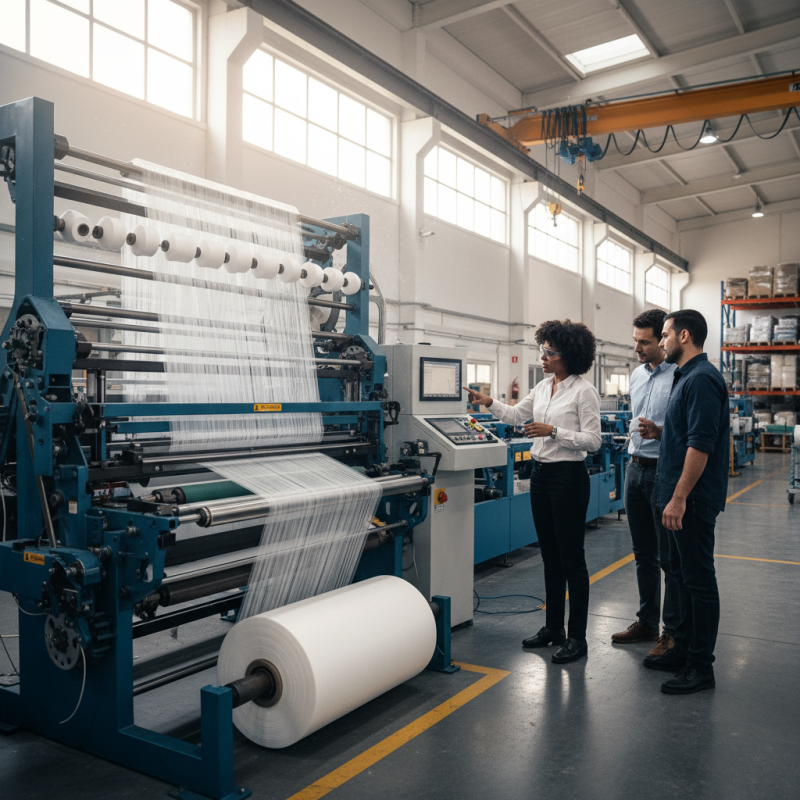
Factors to Consider When Selecting a Fiberglass Mesh Machine
Choosing the right fiberglass mesh machine requires careful thought. There are several factors to consider. First, think about the production capacity. A larger capacity means more output. But does it fit your current needs?
Next, look at the mesh size and type. Different applications require specific mesh patterns. You may need a machine that adjusts easily. Flexibility is key here. The ease of operation is crucial as well. If it is complicated, production may slow down.
Lastly, maintenance matters. Some machines need frequent checks, while others require minimal upkeep. Choosing a machine with lower maintenance can save time. Reflect on your long-term goals. What kind of mesh production do you envision in the future?
Factors to Consider When Selecting a Fiberglass Mesh Machine
Types of Fiberglass Mesh Machines Available in the Market
When exploring the types of fiberglass mesh machines in the market, one finds various options tailored to different production needs. There are manual, semi-automatic, and fully automatic machines. Each type varies in complexity and efficiency. For smaller operations, manual machines offer cost-effectiveness. These units often require skilled labor for operation, which can lead to variability in output quality.
Semi-automatic machines strike a balance between speed and affordability. They can enhance productivity while still being manageable for medium-sized businesses. According to industry reports, semi-automatics can boost output by up to 40%. However, these systems may still rely on labor, which can introduce inefficiencies.
Fully automatic machines, on the other hand, provide high-output capabilities. These machines can operate with minimal human intervention. Yet, the initial investment is significantly higher, posing a risk for smaller enterprises.
Furthermore, it’s essential to consider the variety of mesh types produced. Some machines specialize in certain mesh densities or fiberglass formats. Not all machines can produce the same quality or thickness durability. Many operators might select a machine based on price alone. This can be a misguided approach if the machine cannot meet specific project demands or quality standards. Such considerations are critical in a competitive market.
Key Specifications to Evaluate for Optimal Performance
When selecting the best fiberglass mesh machine, key specifications play a crucial role in performance. A report from the Global Fiberglass Mesh Market indicates a projected growth rate of 5.2% from 2023 to 2030. This significant growth stems from advancements in mesh technology and increasing demand in construction and automotive sectors. Evaluating machine speed is vital. Higher speeds can lead to improved production efficiency. Machines that produce 60-80 meters per minute are often optimal for high-demand scenarios.
Another important specification is the ability to handle various mesh sizes and weights. Flexibility in production capacity greatly influences output quality. According to industry analysis, machines with adjustable tension and width settings can yield better-quality mesh. Attention to the machine’s durability is also necessary. Machines should withstand heavy use. A lifespan of at least five years is desirable, but quality issues may arise if regular maintenance is neglected.
Lastly, consider the energy efficiency of the machine. Energy consumption has become a critical topic in industrial production. Machines that require less power while maintaining output can reduce long-term costs. Reports suggest that energy-efficient models can save up to 30% on operating costs. However, the initial investment might be higher. Balancing upfront costs with ongoing savings remains a challenge for many manufacturers.
2026 How to Choose the Best Fiberglass Mesh Machine? - Key Specifications to Evaluate for Optimal Performance
| Specification | Description | Importance |
| Machine Type | Woven, Non-woven or Combination | Determines the fabric structure and application |
| Production Speed | Meters per Minute | Affects overall output and efficiency |
| Power Consumption | kW Required | Impacts operational costs |
| Dimensions | Machine Size in Meters | Space requirement for installation |
| Weight | Total machine weight in Kg | Stability and require foundation |
| Control System | PLC or Manual Control | Ease of use and automation level |
| Warranty | Duration in Years | Coverage for repairs and issues |
| Safety Features | Emergency Stops, Guards | Protects operators and maintenance staff |
Budgeting and Cost Analysis for Purchasing Machinery
When buying a fiberglass mesh machine, budgeting plays a crucial role. The initial cost may be substantial, often ranging from $20,000 to $150,000 based on specifications. However, the long-term savings from energy efficiency and material waste reduction can offset this investment. Industry reports suggest that companies can save up to 30% on materials with more efficient machines.
Tip: Always factor in maintenance costs. A cheap machine could become expensive if it requires frequent repairs. Regular servicing can help mitigate unexpected costs.
Researching financing options is essential too. Many manufacturers offer financing plans, making high-quality machinery more accessible. Yet, it is vital to understand the interest rates involved. A low initial payment might mask higher overall costs.
Tip: Get a full breakdown of costs. Look for hidden fees and evaluate total ownership expenses. This step can prevent future financial strain. Be realistic about production capacity and choose a machine that meets your needs without overextending your budget.
Maintenance and Support Services for Fiberglass Mesh Machines
Maintenance and support services are critical when choosing a fiberglass mesh machine. A well-maintained machine enhances production efficiency and product quality. Industry reports suggest that proper maintenance can increase the lifespan of machinery by up to 30%. Downtime due to improper care negatively impacts overall productivity. It is essential to prioritize regular inspections and servicing.
Consider creating a maintenance schedule that includes daily, weekly, and monthly tasks. Daily tasks may involve cleaning the machine and checking belts. Weekly maintenance could encompass oiling moving parts and inspecting electrical connections. Monthly, perform a thorough check of tension and alignments. Neglecting even small aspects of maintenance can lead to larger issues. Remember, "a stitch in time saves nine."
Investing in training for your team is another key factor. Educate staff about best practices in operation and care. A knowledgeable team can identify problems early. Reports indicate that companies with trained personnel see a 20% increase in overall machine efficiency. Providing the right support ensures your fiberglass mesh machine operates optimally. Aim for a balance between performance and care; it's a continuous process.