How to Choose Flexible Intramedullary Nails for Optimal Healing?
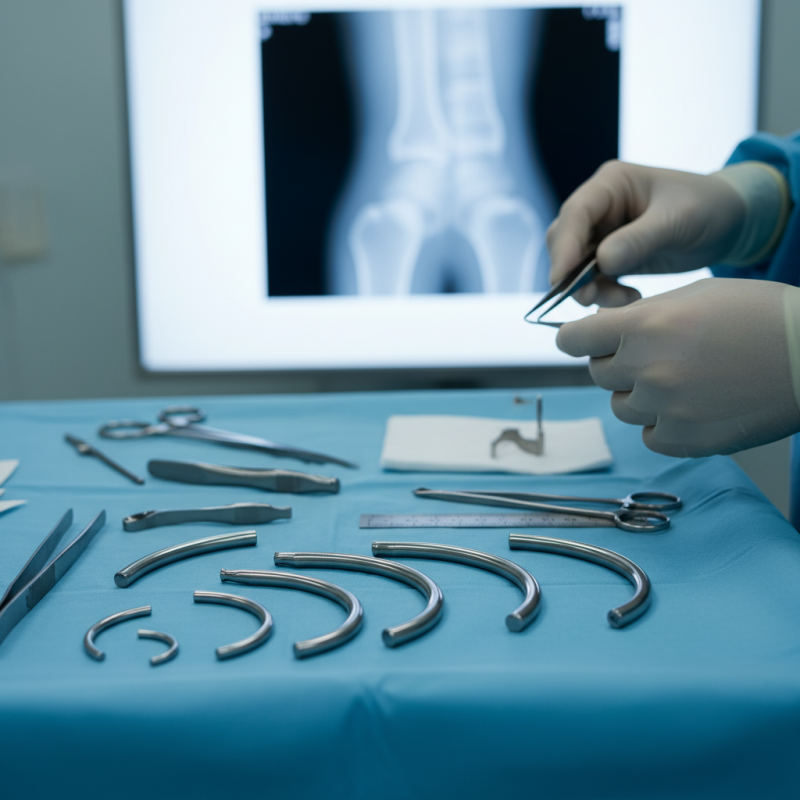
Choosing the right surgical tools is crucial for optimal healing. Flexible Intramedullary Nails (FINs) have become a preferred option in orthopedic surgery. These innovative devices support bone stability while allowing natural movement during recovery.
The selection of appropriate FINs depends on various factors. The patient's age, bone condition, and specific fractures play a role in the decision. A detailed assessment is essential. Understanding the nuances of the patient's needs helps in choosing the right size and design. Choosing incorrectly may lead to complications or prolonged recovery.
A balanced approach is vital when considering FINs. While they offer many benefits, potential drawbacks also exist. Surgeons must reflect on patient outcomes and the overall effectiveness of the procedure. Understanding both the advantages and limitations ensures informed choices, leading to better healing experiences for patients.
Understanding Intramedullary Nails and Their Functions
Intramedullary nails are a vital tool in orthopedic surgery. They are used to stabilize broken bones, particularly in the long bones of the body. These nails are inserted into the medullary canal of bones, providing support during the healing process. Their design allows for flexible movement, which can be essential for optimal recovery.
Understanding how these nails function is crucial. They align the fracture fragments and promote proper healing. In some cases, they can also allow for early weight-bearing, which might accelerate recovery. However, not all intramedullary nails are the same. The choice depends on various factors, such as the site of the fracture and the patient's activity level. There is often uncertainty around the best option; incorrect choices can lead to complications.
The materials used in these nails can impact outcomes. Stainless steel and titanium are common, but each has advantages and drawbacks. Some patients might experience discomfort post-surgery, which can lead to unease about the healing process. Monitoring and reflecting on these experiences are essential. A collaborative approach with the medical team can help individuals navigate their recovery journey effectively.
Comparison of Different Types of Intramedullary Nails for Healing Efficacy
Evaluating Different Types of Flexible Intramedullary Nails
When choosing flexible intramedullary nails, understanding the types available is crucial. Different nails serve various purposes in orthopedic procedures. Some are designed for fractured bones, while others may aid in correcting deformities. Pay attention to these design features. They directly impact healing and recovery.
Tips for selection: Look for nails made from biocompatible materials. They should allow for adequate flexibility. A nail that bends slightly can help absorb stress during healing. Consider the diameter as well. A well-fitted nail promotes better alignment and support.
Always reflect on potential shortcomings. Not every type will suit every patient. Factors such as age, bone condition, and activity level should influence your choice. Be prepared to adjust your decisions as needed based on individual healing responses. Ultimately, the goal is to foster optimal recovery while ensuring minimal complications.
How to Choose Flexible Intramedullary Nails for Optimal Healing? - Evaluating Different Types of Flexible Intramedullary Nails
| Type of Nail | Material | Diameter (mm) | Flexibility | Clinical Use |
| Nail A | Stainless Steel | 3.5 | High | Pediatric Fractures |
| Nail B | Titanium | 4.0 | Moderate | Adult Fractures |
| Nail C | Carbon Fiber | 2.5 | Very High | Specialized Cases |
| Nail D | Aluminum | 3.0 | Low | Temporary Fixation |
Factors Influencing Nail Selection for Optimal Healing
When selecting flexible intramedullary nails, various factors play a crucial role in ensuring optimal healing. One key aspect is the size of the nail. It must match the medullary canal’s dimensions. If it's too large or small, it may cause complications. Research has shown that nails fitting closely to the canal can reduce pain and enhance recovery time.
The material of the nail is another factor. Stainless steel and titanium have been proven effective, but each has pros and cons. Titanium is lighter, reducing stress on bone structures. However, it can be more expensive. Recent studies indicate that choosing the right material can accelerate healing by up to 30%.
**Tips:** Always consider the patient’s unique anatomy. Conduct thorough imaging to assist in nail selection. Flexibility matters; a nail too stiff may inhibit bone healing.
Another important facet is the location of the fracture. Intramedullary nails are more effective in certain types of fractures than others. Misjudging this can lead to reoperation. Some surgeons report a 20% reoperation rate due to incorrect nail selection. Reviewing clinical outcomes is essential for improvement.
**Tips:** Analyze previous cases to refine your approach. Document what worked and what didn’t. Engage in discussions with peers for further insights.
Techniques for Proper Insertion of Intramedullary Nails
The insertion of intramedullary nails requires precise techniques. A thorough understanding of anatomical landmarks is essential. Surgeons must ensure proper alignment before insertion. This can affect the overall healing process significantly. Using imaging tools can help visualize the nail placement accurately.
During the procedure, maintaining sterile conditions is crucial. Contamination can lead to serious complications. Surgeons should pay close attention to their positioning. A steady hand and clear view help in navigating complex anatomy. Intraoperative adjustments may be necessary. It’s easy to underestimate the complexity of this task.
Post-insertion care is also vital. Regular monitoring for signs of infection or complications is needed. Proper aftercare can greatly influence recovery rates. Not all patients heal at the same pace. Surgeons must be prepared to adapt their follow-up strategies. Sometimes, despite all precautions, healing doesn’t go as planned. Reflecting on these outcomes helps refine techniques for future procedures.
Post-Operative Care and Monitoring for Effective Recovery
Post-operative care is crucial for effective recovery after intramedullary nail surgery. Proper monitoring can significantly enhance healing. According to recent studies, up to 30% of patients experience complications if post-operative guidelines are not followed. Regular follow-ups are essential. X-rays should be taken at intervals to assess bone healing. This helps in identifying any alignment issues or infections early.
Patients must also engage in appropriate rehabilitation. Physical therapy can improve mobility and strength post-surgery. A report by the American Academy of Orthopaedic Surgeons noted that early rehabilitation led to better functional outcomes in 65% of cases. However, many patients underestimate its importance. They may skip sessions due to discomfort or impatience. This can delay recovery and result in long-term issues.
Nutrition plays a significant role in recovery as well. Adequate protein and calcium intake support bone healing. Some patients neglect their diet, believing supplements are enough. Research shows that a balanced diet drastically reduces recovery time. Patients should monitor their intake carefully and consider consulting a nutritionist. These steps are crucial for a successful healing process.